
Public Art Around the World
Public art is a form of human expression that can be seen throughout space and time. This art form has the power to educate, inspire, and transform communities. Explore examples of this art by clicking on the cities below to read more about the history, creation, and reception of public art pieces worldwide.
*Note: Asterisks indicate that the piece is taught in the Core curriculum or by a Core teacher.
PICK YOUR LOCATION (OR SCROLL DOWN TO SEE ALL)





Summer of Love Bus Posters
San Francisco, California, United States of America

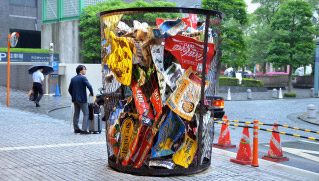
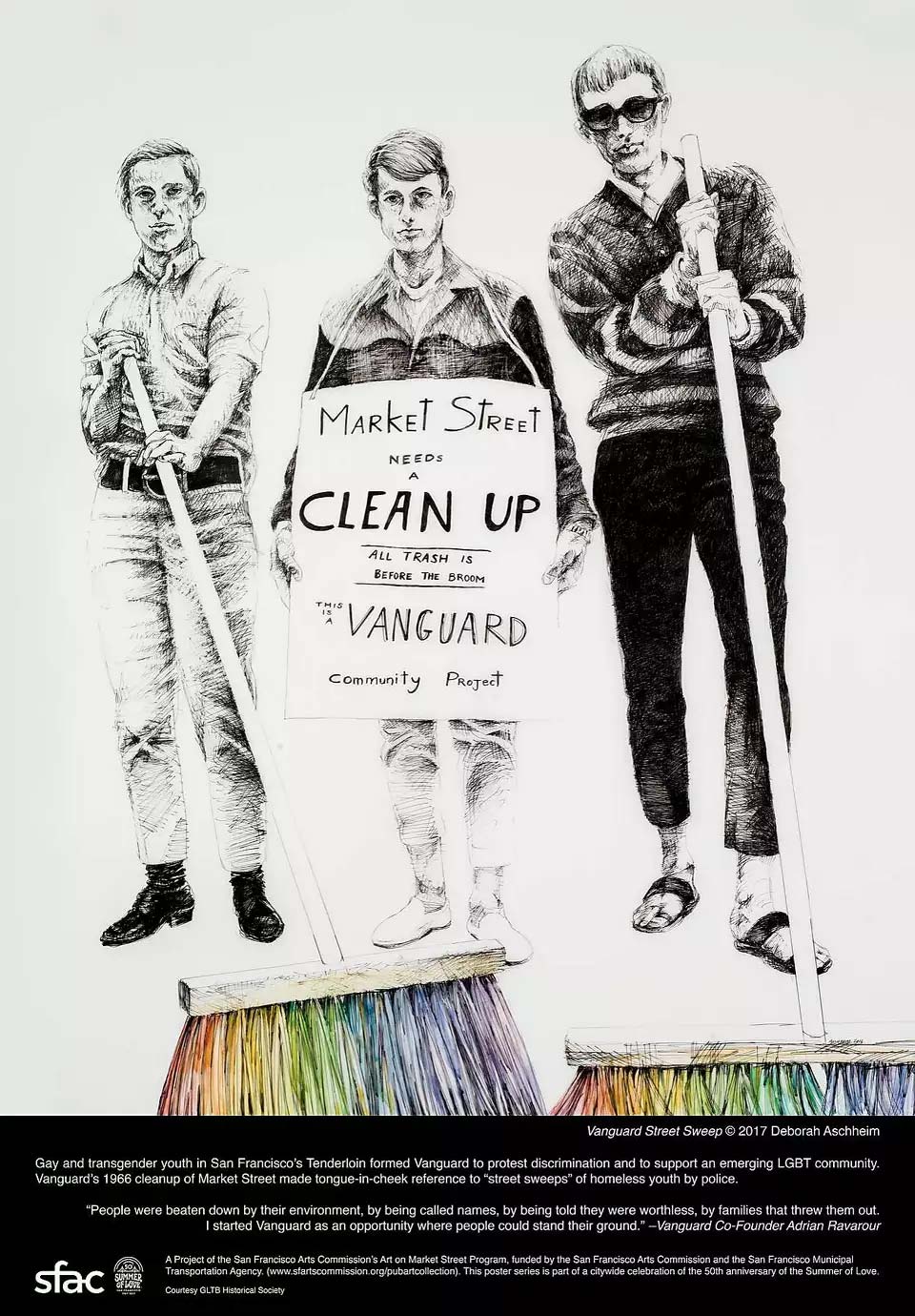
In 2017, Deborah Aschheim created a series of bus stop posters commemorating the 50th anniversary of the Summer of Love. She was one of three artists commissioned for this project by the San Francisco Arts Commission, but her special interpretation of the theme caused her work to be widely recognized. Rather than focusing on the hippie aesthetic that many associate with the Summer of Love, Aschheim made a point to emphasize the activism and desire for social change that fueled the movement.


Project Row House
Houston, Texas, United States of America

La Candelaria, Los Puentes, & Distrito Graffiti
Bogotá, Colombia
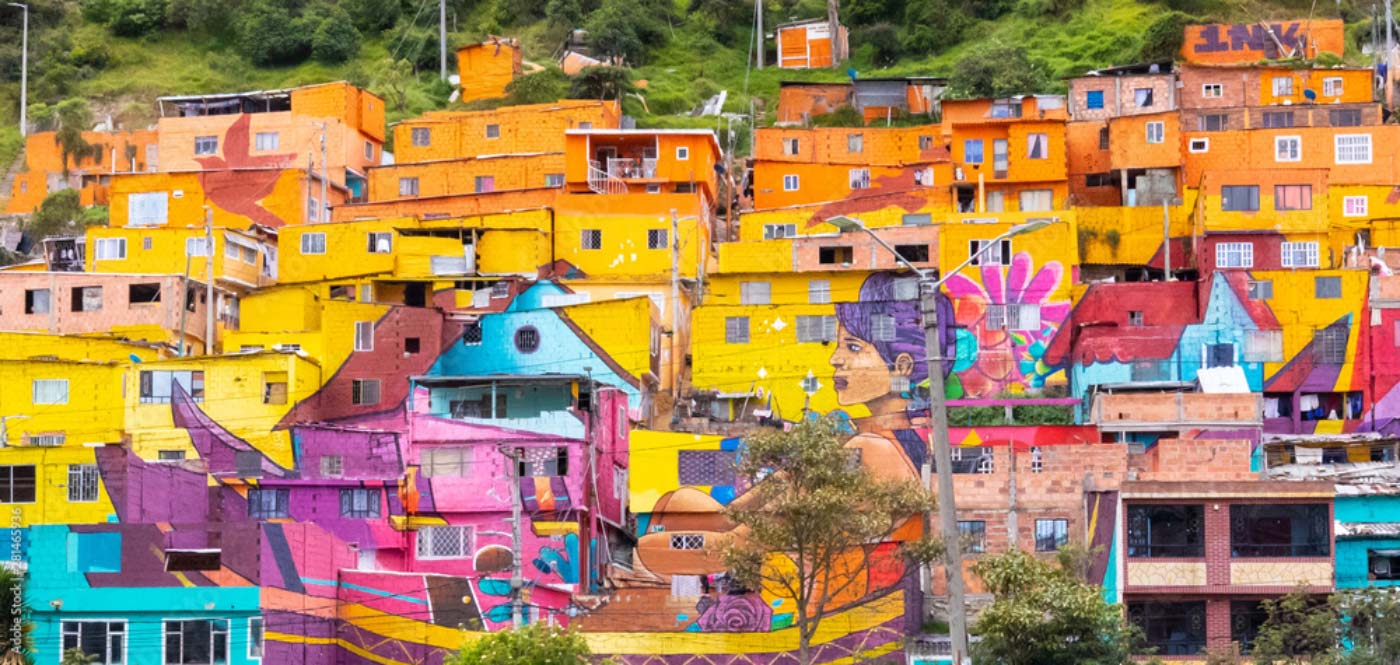
There was once a time when street art was deemed a highly criminal offense by Colombian officials. Police kept a watchful eye out for graffiti artists, who would receive harsh treatment if caught. Then, in 2011, a pair of cops went too far- chasing and killing 16-year-old Diego “Tripido” Felipe Becerra for tagging a wall with an image of Felix the cat. Despite police attempts to cover the incident up, word got out. Citizens of Bogotá made their anger clear by taking to the streets in protest until the officers were arrested. The people’s demand for justice was a turning point in policy regarding graffiti. Now, street art can be found on almost every corner in Bogotá and serves as a creative way for the city to bring new life to a place with a troubled past.
The most significant locations for street art include La Candelaria, Los Puentes, and Distrito Graffiti. Bogotá’s history is best preserved in La Candelaria, and houses both the city’s oldest buildings and newest art. Paintings- both commissioned and independent- can be found on every type of surface available, from hostels to cultural houses to shipping containers. The passion and desire to create is obvious when one sees how the city’s artists have turned everything they can find into a canvas. Many of the paintings have gained widespread recognition, and the street art movement has even drawn in artists from across the world, who travel to Colombia to make their mark.


National Palace Murals *
Mexico City, Mexico
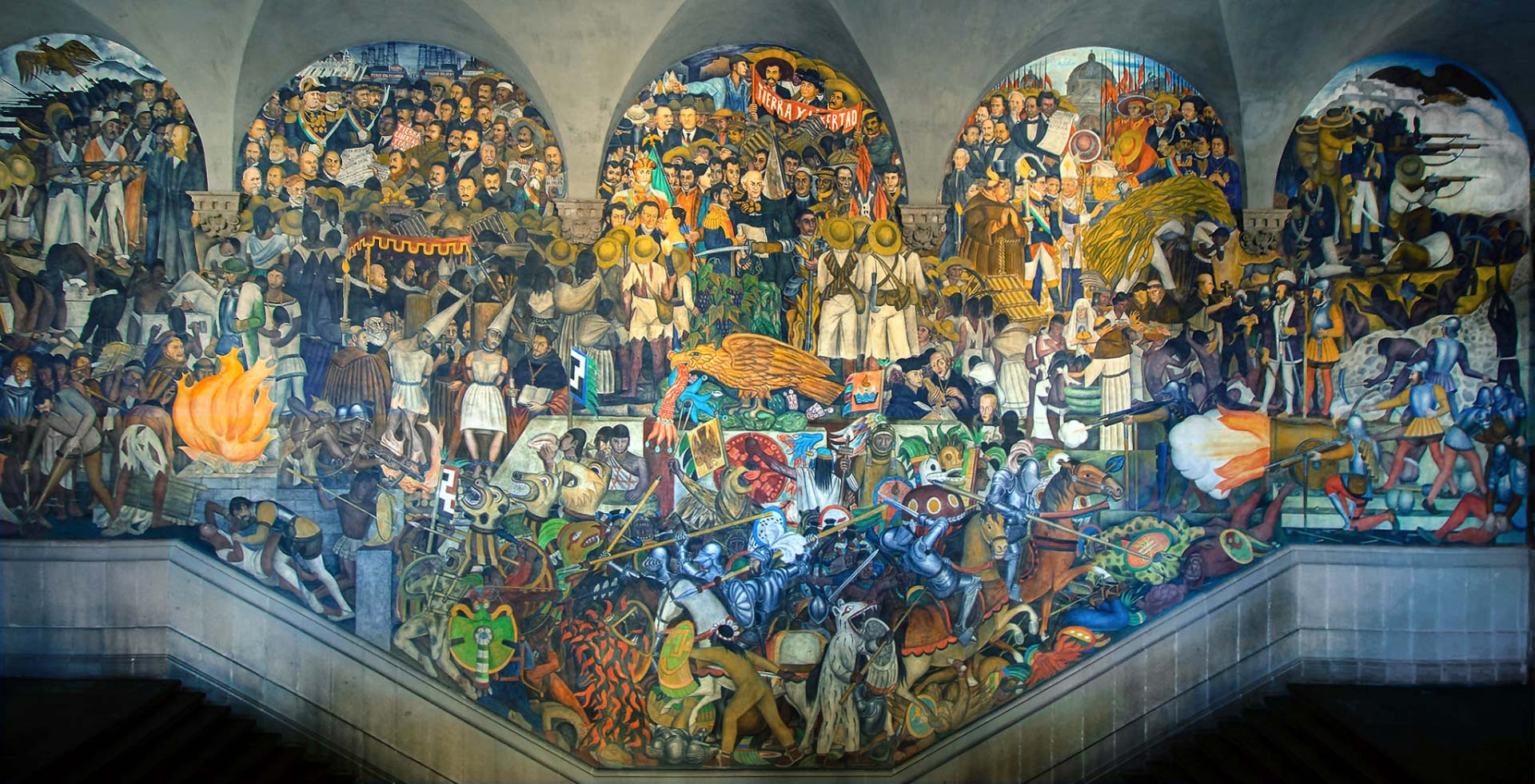
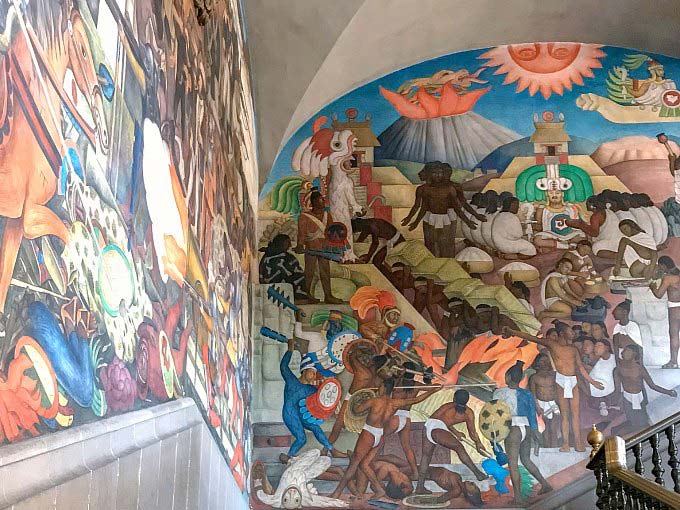
The murals began as part of a government project to establish a new national identity after the Mexican Revolution. Part of the project’s goal was to abandon Eurocentrism in Mexican culture and begin to celebrate the nation’s indigenous heritage, which Rivera makes sure to highlight in his work. Ultimately, the state-sponsored murals succeeded in working towards the birth of a new identity. Part of the reason they were so influential was because of the fact that the art was public. Traditional forms of painting often limited viewership to the aristocracy. Murals, however, were open to people of all walks of life. It allowed the entire population to participate in a piece of culture while simultaneously educating them about their history. It gave them hope for a new future and renewed a sense of national pride and connection to a past they otherwise would not have known.
The Hall of Bulls *
Cave of Lascaux, France
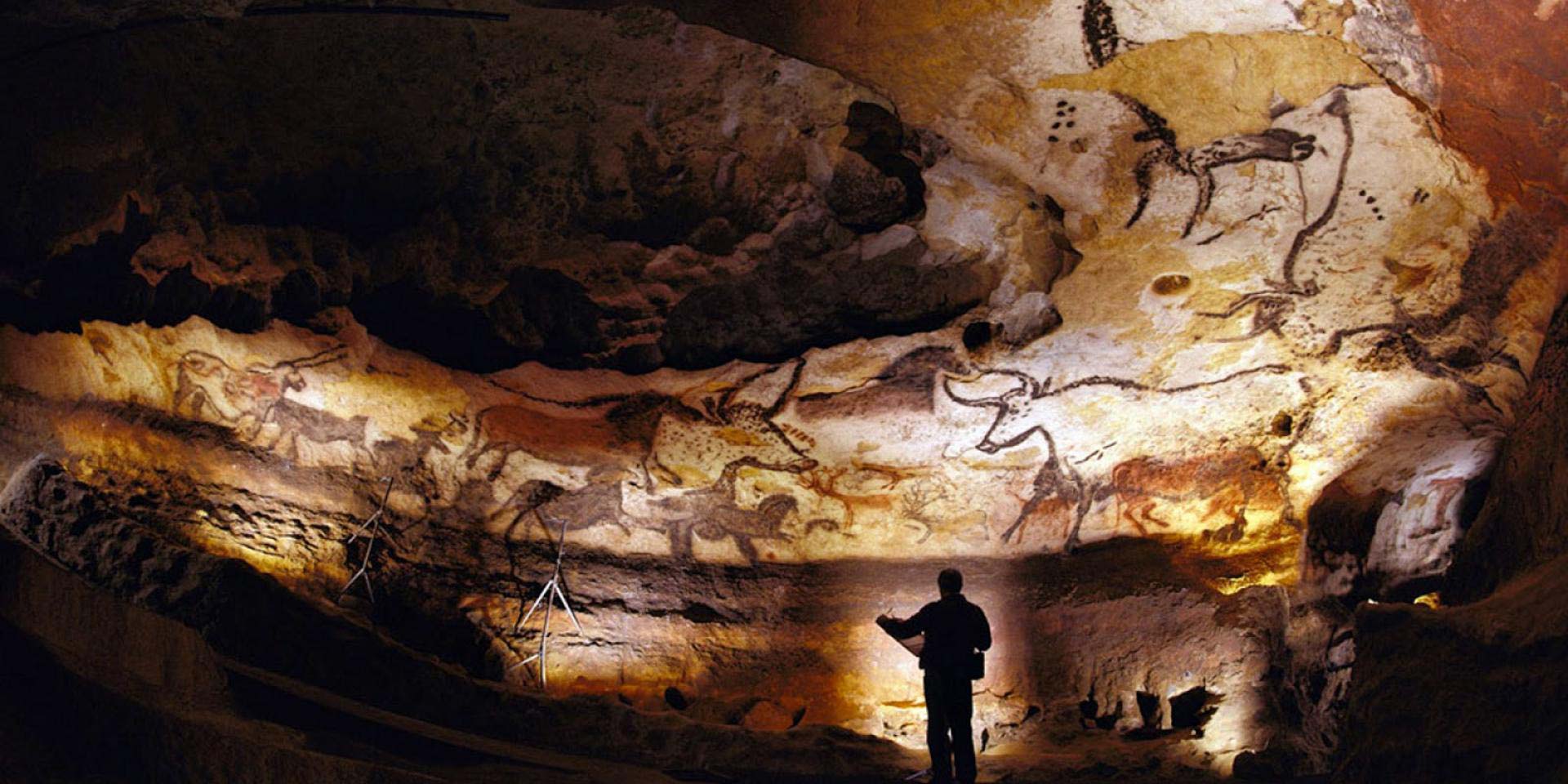
The Hall of Bulls is a series of cave paintings spanning just over 11 feet long. The drawings contain depictions of animals such as bison, deer, horses, lions, elk, and more in vibrant reds, yellows, browns, and whites. The color palette is limited, but a variety of techniques ensure that every form stands out. Some images are in full color, while others are simple line drawings or directly carved into the ceiling. Besides animals, abstract lines and shapes are included with simple human figures. Together, the paintings create a feeling of movement across the wall.
At the time of the painting’s creation, the caves were inhabited by early humans trying to survive an incredibly harsh environment with few resources. However, the region would have let those living here observe the migratory patterns of the animals in the area. As a result, historians have inferred that the animals painted on the walls were ones cave dwellers had seen in the area and were hoping to hunt. Evidence shows that the actual act of painting was ritualistic and repetitive. As a result, the paintings are believed to have been a method of bringing about a good hunt in order to keep their community alive. Although the paintings were primarily for survival, they now serve as proof that although public art itself has changed with time, the goal of helping one’s community through creativity has not.
Shoes on the Danube Bank
Danube Promenade, Budapest, Hungary


Safe Passage
Berlin, Germany

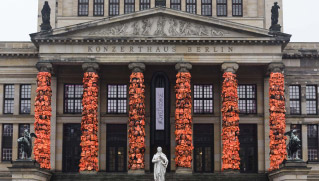
In each iteration of the installation, Ai Weiwei ties together thousands of brightly colored life jackets- formerly worn by Turkish refugees who found sanctuary in Greece. The Greek Island of Lesbos donated them to the artist, who reinstalled them in various cities for years. The first, and most famous, version, however, was at the German Konzerthaus in Berlin. Here, 14,000 jackets were tied up to the pillars of the concerthouse overnight. The installation shocked the public and garnered international attention due to coinciding with that year’s Cinema for Peace Gala: part of the annual Berlinale film festival. His art garnered outrage and criticism, but the unapologetic artist never backed down. His ultimate goal has always been to raise awareness and make people think. The installation’s shocking nature certainly accomplishes this goal, especially because it is always visible by the public. The sheer amount of jackets force people to consider the lives lost in the process of migrate and reflect upon how capital, goods, and certain powerful individuals can cross borders with ease while those in need cannot.

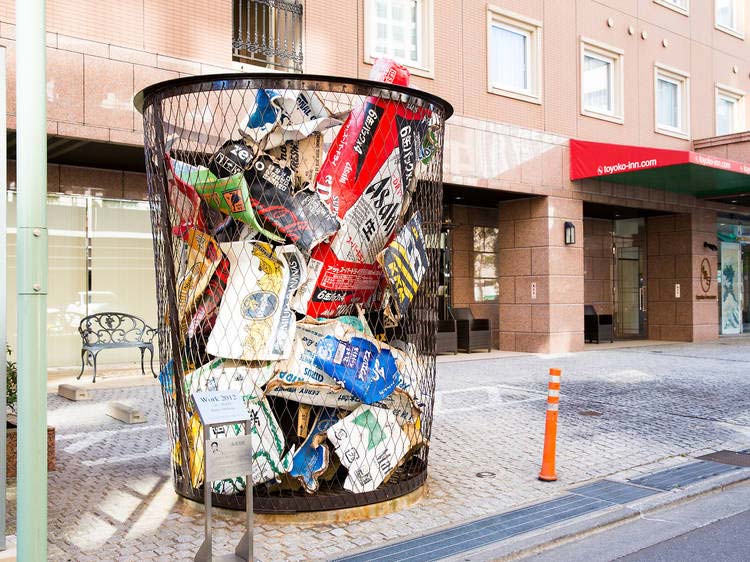
Work 2012
Tokyo, Japan
The Wide Open Walls Project
Mandina Nature Reserve, Gambia

Street art contains a unique ability for self expression that compels artists across the world. In every major city, murals like those being painted in rural Gambia can be found. The project began in 2010 by founder Lawrence Williams. This great initiative serves a variety of purposes- from education to the strengthening of local communities in Gambia. It accomplishes these goals by encouraging an intercultural approach, which invites artists from around the world and across Gambia to create unique paintings and murals. Some notable artists include England’s Sickboy and American street artist Know Hope. Their recognizable style helped gain international recognition and support from fellow artists and fans.

The murals created by the project not only bring new visual life to the area by adding color and vision to broken down buildings, but works to improve the lives of locals. By inviting renowned artists, Wide Open Walls has turned the area into a tourist destination, helping to increase income and supporting new jobs. Even more valuable, though, are the emotions such creativity fosters. These murals help to create a sense of togetherness and pride for those who call the villages of Mandina home. Furthermore, by inspiring people to travel to Gambia to view and create art, foreigners are better able to experience Africa in a new way. The unique perspectives gained during this project have inspired artists and visitors to keep returning, and today the murals have expanded throughout the Gambia River Plane.
All The World Is Now Richer
London, England
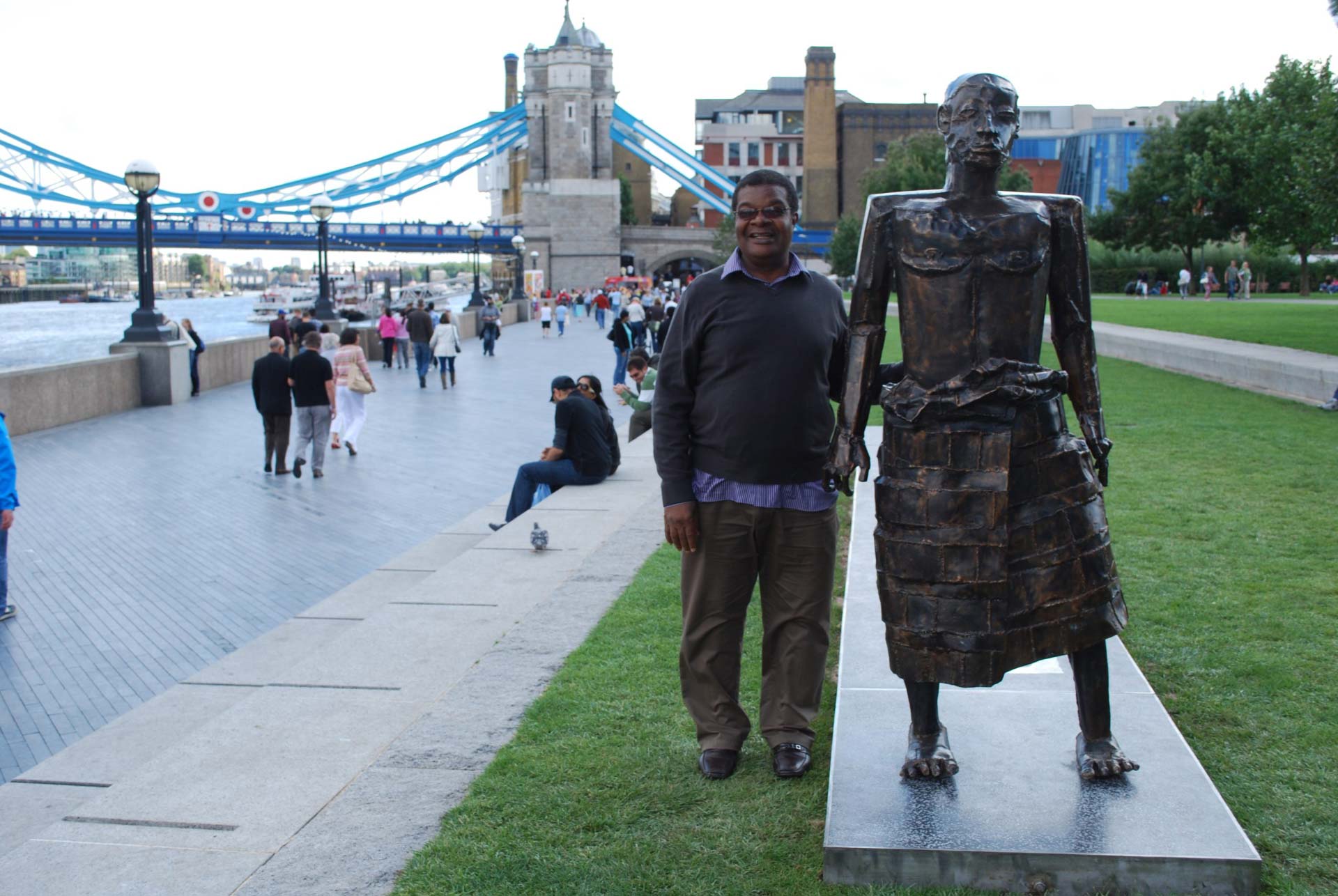
The outward appearance of these figures takes viewers through centuries of history, but the most important part of the installation is seen just behind the statues: in their “shadows”. The interpretive shadows contain long lines of text which form a quote adapted from a Quaker abolition campaign. Together, they say “From our rich ancestral life, we were bought, sold, and used. But we were brave, we were strong, we survived. All the world is now richer.” What Douglas wanted to focus on most was the idea of bravery- to not only look at the horrors of the slave trade, but the unshakeable spirit that kept those enslaved individuals alive. She was inspired by the words of ex-slave William Prescott: “They will remember we were slaves, but will not remember we were brave”. Making public the memory of this bravery was her greatest inspiration for the sculptures.
What is equally as important as the content of the work is its location. The piece toured from 2010-2014, and was housed in some of the most prestigious and historic buildings in London- including St. Paul’s Cathedral and The House of the Commons. Bringing them to these locations allowed Douglas to remind those who see it that their greatest monuments and most celebrated history was created through the use of slave labor. The installation’s original location- in Burgess Park, part of the borough of Southwark- served a similar purpose. From there, the content of the piece could be juxtaposed with clear views of Tower Bridge, the Tate Modern, Westminster, and more. Especially essential, though, is what it meant to the community within that borough- one that is predominantly poor and with a large African population. By displaying it here, Douglas hoped to create a sense of pride in the black community for the bravery displayed in each sculpture and story.

Street 93
Phnom Penh, Cambodia
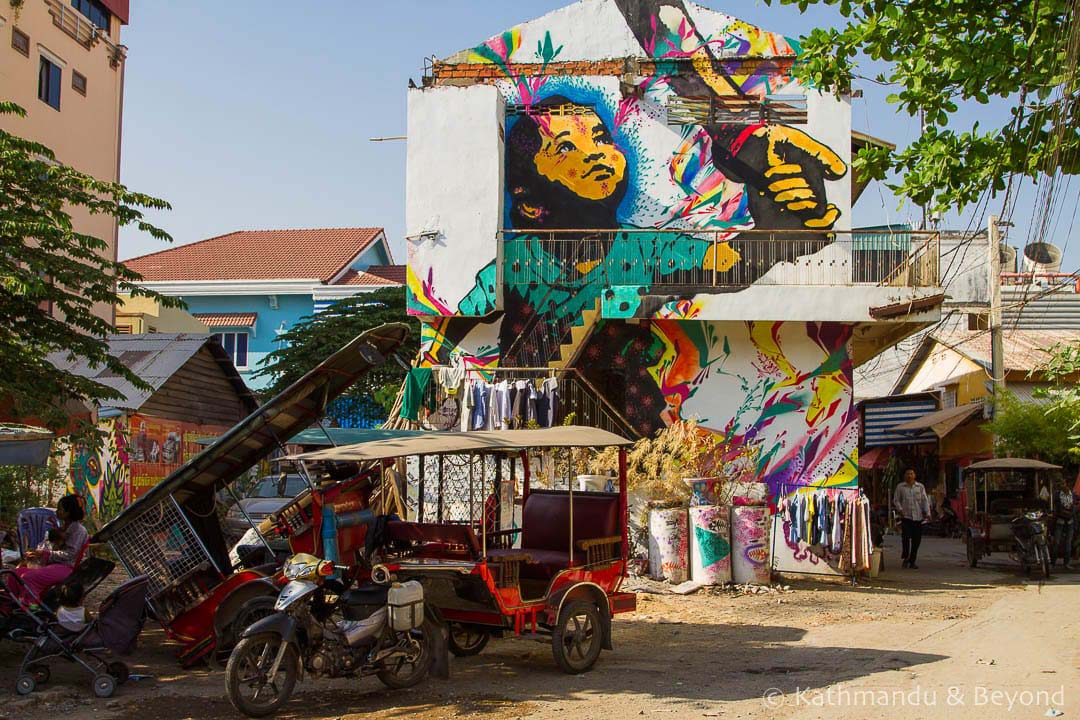
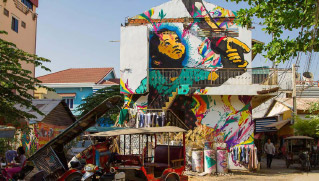
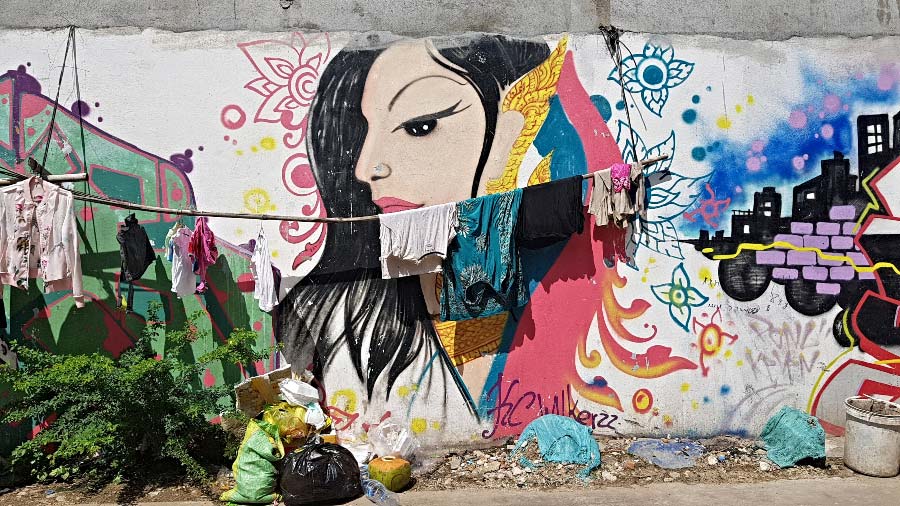
Street 93 holds most of Phnom Penh’s street art. The location became a hot spot for artists to create and collaborate in 2014, when Marj Arnaud and Ludi Labile opened Simone’s Bistro and Art. They invited local artists to begin painting on the street around them, hoping to revitalize the area and bring in new creative vision. Even though the cafe is now closed, their vision has lived on thanks to the Cambodian Urban Art Festival. The festival’s two iterations thus far have attracted artists from around the world, whose pieces have been maintained to this day. As spaces for art such as Street 93 begin to expand, so too do opportunities for Cambodian artists to gain fame and recognition. One such example is Lisa Mam, Cambodia’s first renowned female muralist. Creative forces like Mam continue to bring new life and color into otherwise poverty-stricken communities, and build a sense of cultural pride and inspiration in new generations.

Forever- Danie Mellor
Melbourne, Australia
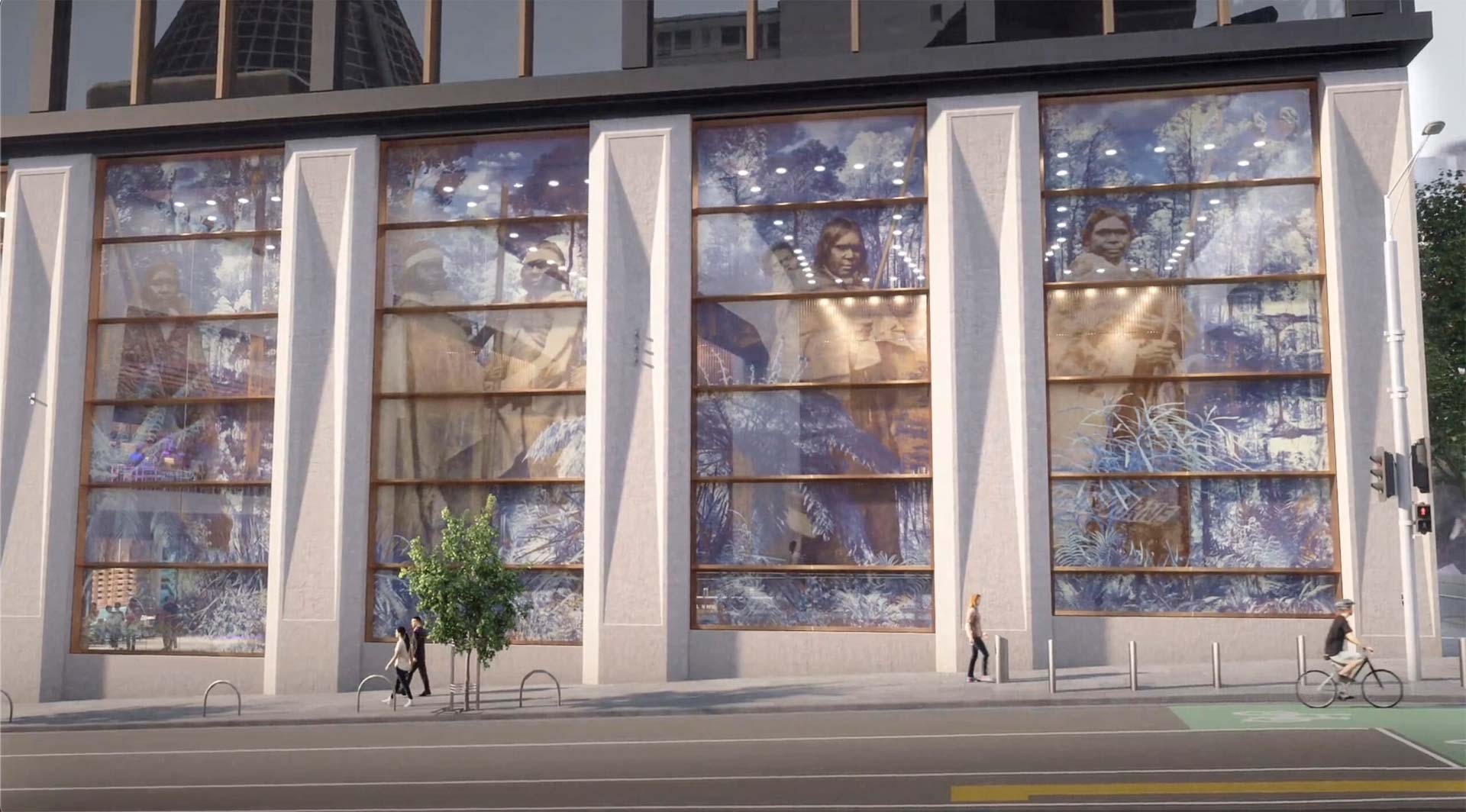
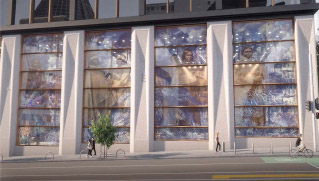
Each day, 26,000 people (or more!) see Danie Mellor’s massive print across the station’s facade. “Forever” was created to publicly celebrate Victoria’s Aboriginal peoples, the first ones to occupy the land. Wurundjeri Woi Wurrung women stand tall and proud in the prints- their culture is the main source of inspiration for the installation. The photos used real historical portraits sourced from the archives of the neighboring State Library Victoria. These portraits are combined with Mellor’s own infrared photography, which contributes contemporary landscapes for the figures to reside in. Ultimately, by permanently incorporating these images into Melbourne’s urban landscape, Mellour hopes to remind the public of how the knowledge of First Nations people is embedded in -and essential to- the physical land of Australia.